I’ve read the Bhagavad Gita many times over the past thirty years.
Like many people, I first encountered it through yoga. I would return to it every few years, and each time, it offered something different. For the most part, I experienced it in isolation, as if it were one piece of a much larger puzzle.
Yoga was yoga. Ayurveda was Ayurveda. Vedanta was philosophy. Nature was simply where I felt most at peace.
Each was meaningful in its own right, but they remained separate in my mind.
Over the past few years, something has changed. As I’ve immersed myself more deeply in Ayurveda, both personally and through my work in Ayurveda travel, I found myself returning to the Gita once again.
The words hadn’t changed. I had.
What once appeared to be separate traditions began to reveal themselves as different expressions of the same underlying wisdom. Ayurveda, yoga, Vedanta, the Bhagavad Gita, and the rhythms of nature no longer felt like individual disciplines. They felt like different ways of pointing toward the same truth.
Not another technique to master. Not another philosophy to adopt. But a deeper understanding of ourselves and our relationship with life itself.
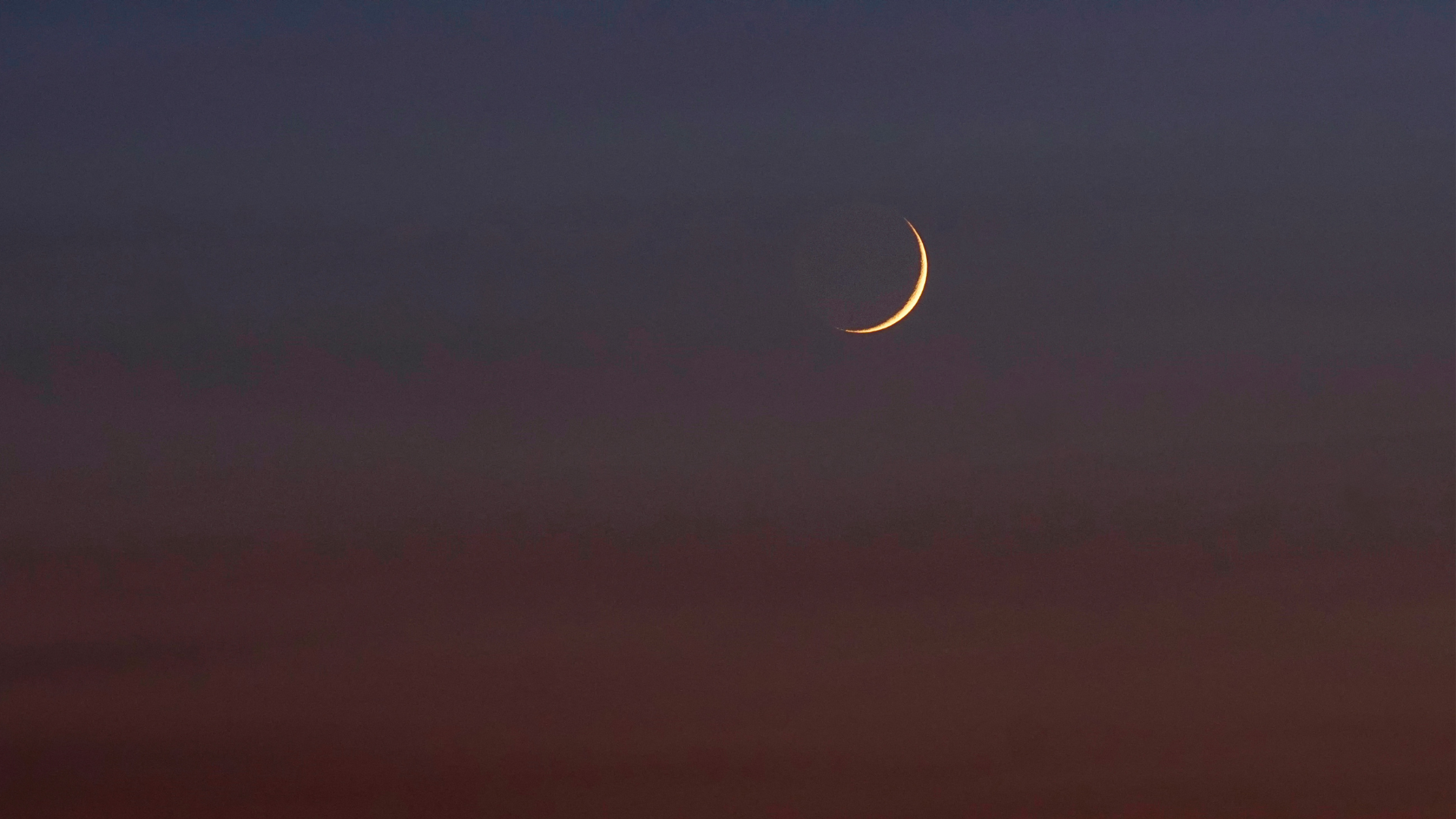
It reminded me of a well-known Zen Buddhist teaching about a finger pointing at the moon. The finger serves an important purpose. Without it, we might not know where to look. But the finger is not the moon. Its purpose is to direct our attention toward something greater.
The more I reflected on that, the more I began to see it everywhere.
Especially through my work.
Every year brings a new conversation.
- Longevity.
- Nervous system regulation.
- Personalized wellness.
- Breathwork.
- Cold plunges.
- Biomarkers.
- Sleep optimization.
These conversations are valuable and reflect a genuine desire to live healthier, more meaningful lives.
Yet I sometimes wonder if our fascination with the tools distracts us from what they are actually pointing toward.
The herb becomes the answer. The supplement becomes the answer. The retreat becomes the answer. The wearable becomes the answer.
The conversation shifts from understanding ourselves to collecting solutions.
In the Gita, Krishna often redirects Arjuna beyond external forms and toward discernment. Rituals have their place. Actions have their place. Even knowledge has its place. But none of them are ends in themselves. Their value lies in what they awaken.
Ayurveda approaches health in much the same way. People often ask, “What herb should I take?” Ayurveda responds with different questions.
Who are you? What is your constitution? What is out of balance? What environment are you living in? What stage of life are you living?
Only then does the conversation turn to herbs.
The herb is not the medicine by itself. It becomes medicine only when understood within the context of the whole person.
The same is true of Ayurveda travel.
A physician consultation is not the healing. Panchakarma is not the healing. The treatments are not the healing. Even the most extraordinary property is not the healing.
They create the conditions in which healing can unfold. More importantly, they invite us to remember something that modern life makes easy to forget: health begins with understanding our own nature.
Perhaps that is what has moved me most about returning to the Bhagavad Gita after all these years. I thought I was rereading a familiar book. Instead, I discovered that it had become a mirror.
The more I study Ayurveda, the more clearly I understand the Gita. The more I study the Gita, the more deeply I understand Ayurveda. The more time I spend in nature, the more both of them make sense.
And I no longer think it ends there.
It’s hard for me to separate Ayurveda from yoga, yoga from Vedanta, Vedanta from the Bhagavad Gita, or any of them from nature. What once appeared to be distinct paths now feel like different expressions of the same underlying intelligence. Each offers a different perspective, yet all invite us toward the same inquiry:
Who am I? What is my nature? How do I live in harmony with it?
Not another practice. Not another protocol. Not another destination. But the lifelong work of remembering who we are.
Every so often, I find it worth asking myself one simple question.
+ Comments